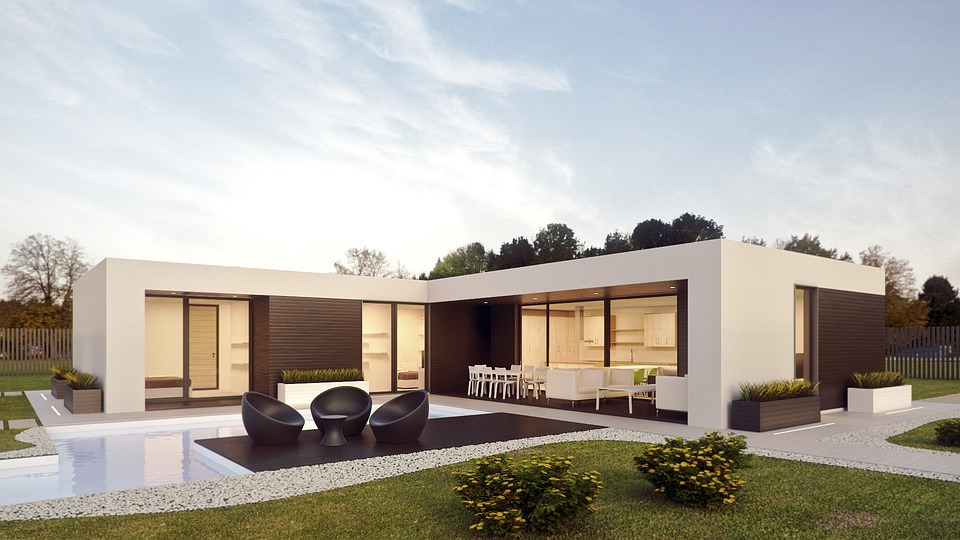
For many foreigners, buying their ‘place in the sun’ represents an investment. Whilst the property itself gains in value, they also choose to rent it out. In order to command the sort of rent that makes the most of your property it pays not to cut corners. With some judicious shopping around, quality within a budget can be achieved so that the property can be furnished and equipped to the last detail and to a good standard.
If nothing major is required, such as a new kitchen or bathroom, begin with the walls and floors. If you don’t have the skill, time or inclination to fill holes, sand down repairs and paint, get in some help. Try to get recommendations rather than employing the bloke you met in the bar.
 Paint Colours
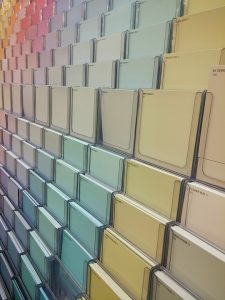
Many rental properties are painted white throughout which, while providing a blank canvas, can be cold and stark. A neutral colour can be kinder and more interesting. However it can be hard to touch up coloured paint as with it fades. It’s also advisable to avoid strong, fashionable colours that certainly can look fabulous but aren’t everybody’s cup of tea. A good idea, especially in a small apartment, is to stick to one colour theme throughout. Use different shades and tones of the same colour, perhaps introducing other colours with accessories in each room.
Flooring
The last thing to be done before the furniture goes in should be the floor. Marble floors in older properties may need to be ground and polished. Allow time for this, as several days are required between the grinding, a wet and messy job, and the polishing. White tiles look clean and spacious however they show every mark and chip. Traditional terracotta finca tiles are very practical. They are cool in winter and warm in summer but you will need to seal them to avoid staining.
Rugs add colour, can define areas and make an apartment look more homely.
Furniture
Furniture can be expensive and/or ghastly, and when not planning to live in a property yourself it’s tempting to buy the cheap and not particularly cheerful. If short of time it might seem tempting to go to a shop that does it all. This can prove more expensive and the quality of the workmanship varies radically. If you bought a home from a Spanish family you might find it full of heavy dark furniture typically far too big for the room. You can often sell these peices locally or at the very least drop them off at a charity shop. Replace then with modern lighter peices with clean lines to open up your rooms and make feel larger.

Iron furniture is good looking and rustic wood is very forgiving – marks and scratches simply add character. Sofas should be of a decent quality as they will receive a lot of wear and tear. Removable, washable covers are the best. Marks and stains show up less on a patterned fabric. Just be careful not to introduce too many different patterns, perhaps sticking to plain colours for curtains and cushions. A sofa bed with a well-sprung mattress is a sound investment, increasing the number the property can sleep.
Fabric
Most fabric shops will have names of upholsterers or locals who will make up curtains, cushions, bedspreads etc. Fabric for bedrooms must be machine-washable and should not crease too easily. Do the crunch test before you buy – screw up a handful of the material in question and hold tightly for a few seconds. If it holds the creases, imagine how awful it would look after a week of being pushed back or rolled down.
The finishing details can make a huge difference to the feel of a place. Pictures, rugs, vases etc. can bring a place together and make it feel luxurious without costing very much.
Finishing Touches
It can be difficult choosing the right pictures for a room as you need to consider whether what appeals to you might offend another person. Framed prints by popular artists such as van Gogh, Cezanne and Monet, with their strong colours, work well in Mediterranean homes. Choose a picture that works with your colour scheme, not just to fill a space, and you won’t go far wrong.
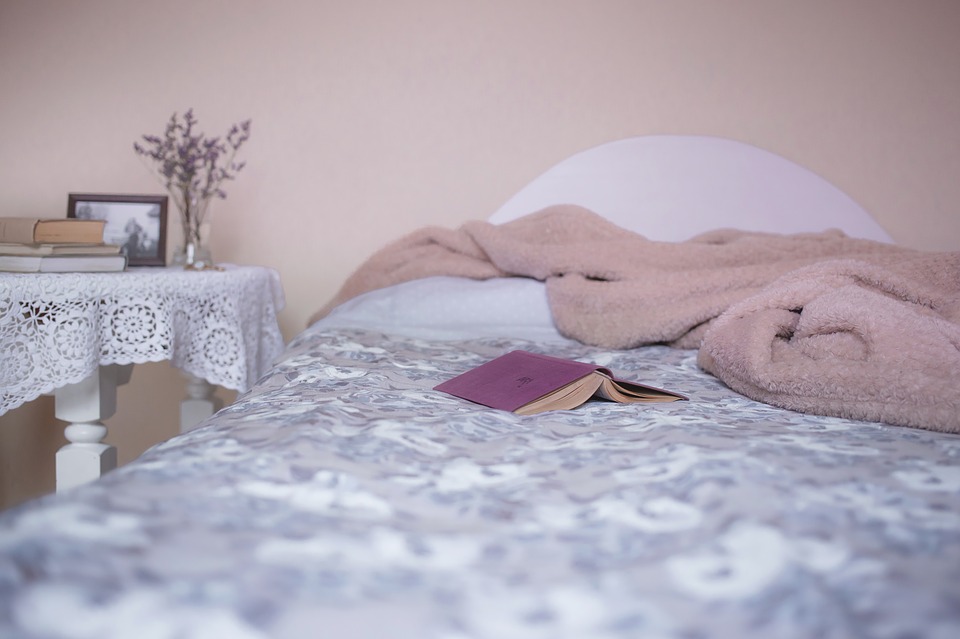
Lighting creates atmosphere and a selection of tables and standard lamps, preferably not ceramic which might be knocked over and broken, provides flexibility for your tenants. When choosing bedside lamps, bear in mind that many people like to read before they sleep so reasonable light is required.
It is difficult to equip an apartment well when you don’t use it yourself, and all too easy to forget the little things that you couldn’t do without. The missing items can be all too obvious once pointed out, like a chopping board or cheese grater. If possible it’s a good idea to stay in your property for a couple of days and spot the gaps yourself. Later you can provide tenants with the opportunity to suggest useful additions. Of course you can ignore these if you feel they are unreasonable but your client will still feel his opinion is valued.
It is helpful to provide people unfamiliar with the area, as well as with the property, with an information pack. This could contain instructions for kitchen appliances if appropriate, leaflets about local places of interest, the name of this web site(!), emergency numbers, taxis and restaurant recommendations. It doesn’t take a great deal of time to put this together yet it can make the difference between a stay and a full, thoroughly enjoyable holiday. Clients who experience the latter are the ones who will return and recommend your property to family and friends.
Finally, make a detailed inventory of the contents of your property providing a copy in your information pack. Check regularly that everything you offer is still available and in full working order.